IMPORTANT: We are experiencing some technical issues and cannot accept credit card payments at this time. We sincerely apologize for the inconvenience. Please check back later to complete your purchase.

$197.00
$197– Non-Member
$97 – Member
*Guaranteed lower price for all professions!
*One time use. Not valid with any additional promotional offers.
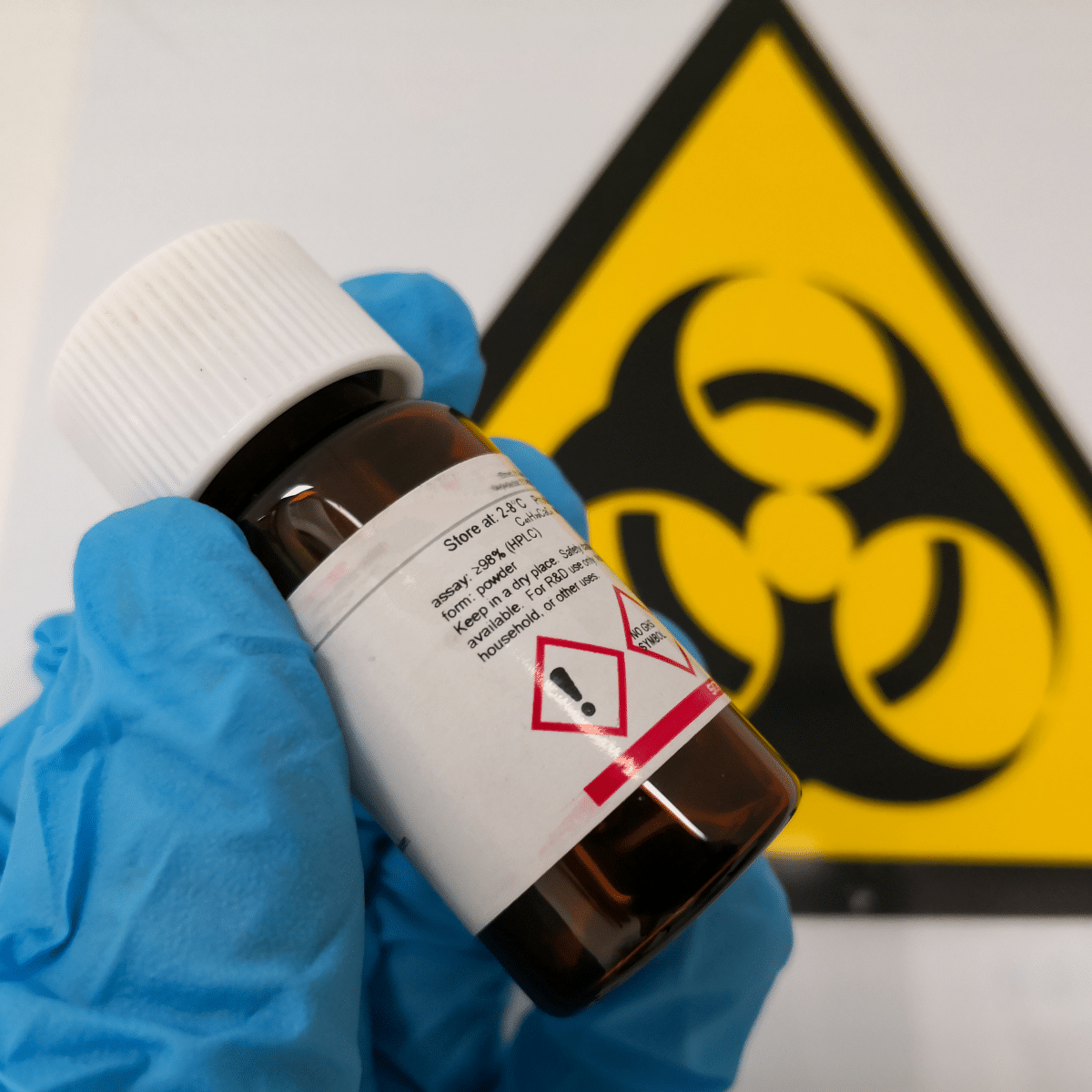
Hazardous Drug Management for Pharmacists is a comprehensive, advanced program designed to equip pharmacists with the knowledge and skills required to assess risk, oversee safe handling practices, and maintain compliance with USP <800> and applicable hazardous drug regulations across healthcare settings.
This Hazardous Drug Management program is designed to provide pharmacists with comprehensive, practice-based education on the safe handling, oversight, and management of hazardous medications across healthcare settings. As the use of hazardous drugs continues to expand in oncology, specialty pharmacy, ambulatory care, and institutional practice, pharmacists play a critical role in developing and maintaining safe, compliant medication-use systems. This program delivers a structured learning experience focused on hazardous drug identification, risk assessment, regulatory compliance, and implementation of evidence-based practices that minimize exposure risks and protect patients and healthcare personnel.
The curriculum is organized into targeted modules that address key components of hazardous drug management, including risk assessment strategies, personal protective equipment (PPE), engineering controls, facility design considerations, and safe handling procedures throughout the medication-use process. Pharmacists will gain a deeper understanding of their responsibilities in developing policies and procedures, overseeing workflow design, ensuring staff competency, and implementing quality assurance measures to support compliance with hazardous drug handling standards.
Additional modules explore critical operational and clinical topics such as receiving and transporting hazardous drugs, managing damaged containers and spills, environmental monitoring, cleaning and decontamination practices, medical surveillance programs, and hazardous waste disposal. Federal, state, and local regulatory requirements are integrated throughout the program, with a strong emphasis on compliance with USP <800>, NIOSH recommendations, and other applicable standards governing hazardous drug handling.
Upon completion, pharmacists will be equipped with the knowledge and practical skills needed to lead hazardous drug management programs, optimize safety protocols, and foster a culture of compliance within their organizations. This program strengthens pharmacist competency in hazardous drug oversight, supports regulatory readiness, and enhances the safe delivery of patient care while protecting healthcare personnel and the practice environment.
Enroll in the Hazardous Drug Management for Pharmacists MasteryRx today to receive one year of unlimited access and advance your expertise in hazardous drug safety, compliance, and operational excellence.
Earn your Credly Badge – Showcase your expertise! Share your achievement on social media and demonstrate your commitment to advancing pharmacy practice and medication safety. Collect additional Credly Badges through freeCE specialty programs.

Module 1: Introduction to Handling Hazardous Drugs
Hazardous drugs are a critical part of patient care, but they can also pose serious risks to the healthcare professionals who handle them every day. This session provides a foundational introduction to hazardous drug management, exploring how these medications are identified, where exposure risks occur throughout the medication-use process, and the strategies healthcare organizations use to protect staff, patients, and the environment. Participants will gain insight into key standards such as USP <800>, the NIOSH hazardous drug criteria, common sources of contamination, and the hierarchy of controls used to minimize occupational exposure.
Not all hazardous drugs present the same level of risk. Understanding those differences is essential for building an effective safety program. This session explores the critical role of hazard and risk assessments in hazardous drug management, helping healthcare professionals move beyond a one-size-fits-all approach to compliance. Participants will learn how to evaluate hazardous drugs and dosage forms handled within their organization, address gaps in the NIOSH hazardous drug list, and develop organization-specific Assessments of Risk that align with USP <800> requirements. Through practical guidance and real-world considerations, this session provides a roadmap for balancing regulatory compliance, employee safety, and operational efficiency when managing hazardous drugs across the healthcare continuum.
Handling hazardous drugs safely requires more than awareness; it demands the right procedures, protective equipment, and preparation at every step of the medication-use process. This session examines the essential practices that help protect healthcare personnel from exposure, from receiving and transporting hazardous medications to storage, compounding, and spill response. Participants will learn how hazardous drug handling differs from routine medication handling, explore the specialized personal protective equipment required under USP <800>, and gain practical guidance for managing damaged shipments, preventing contamination, and maintaining a safe work environment.
Creating a safe environment for handling hazardous drugs requires more than policies and procedures: it depends on the facilities, engineering controls, and containment strategies designed to prevent exposure before it occurs. This session explores the critical infrastructure behind hazardous drug safety, including containment primary and secondary engineering controls, negative-pressure environments, ventilation requirements, and storage considerations outlined in USP <800>. Participants will gain a practical understanding of how facility design supports worker protection, learn the differences between equipment used for sterile and nonsterile hazardous compounding, and discover the key room requirements necessary for compliant hazardous drug handling.
From weighing and compounding to dispensing and administration, every interaction with a hazardous drug presents opportunities to reduce risk … or increase exposure. This session focuses on the practical work practices that help healthcare professionals safely manage hazardous drugs throughout the medication-use process. Participants will explore best practices for nonsterile and sterile compounding, packaging and transport considerations, the role of closed system drug-transfer devices (CSTDs), and strategies for protecting both staff and patients. The session also highlights recommended monitoring approaches, including environmental wipe sampling and medical surveillance, providing a comprehensive look at how organizations can strengthen safety, compliance, and contamination control in day-to-day operations.
Even the most robust hazardous drug safety program can be compromised if contamination, spills, and waste are not managed correctly. This session focuses on the critical final steps of hazardous drug handling: cleaning, decontamination, spill response, and disposal. Participants will learn the proper sequence for cleaning hazardous drug areas, best practices for responding to accidental exposures and spills, the role of environmental monitoring and wipe sampling, and the federal regulations that govern hazardous waste disposal. With practical guidance rooted in USP <800>, OSHA, and EPA requirements, this session equips learners with the knowledge needed to effectively contain hazards, reduce contamination risks, and ensure compliance throughout the hazardous drug lifecycle.
Effective hazardous drug safety depends on more than equipment and procedures. It requires a culture of awareness, communication, and accountability. This session explores the regulatory framework and organizational practices that support successful hazard communication programs, helping healthcare professionals understand not only what is required, but why it matters. Participants will examine the roles of USP <800>, OSHA, NIOSH, CMS, and other key organizations, while learning how policies related to training, competency assessment, exposure response, medical surveillance, and alternative duty contribute to workforce safety. By connecting regulatory requirements with practical implementation strategies, this session provides a roadmap for creating a comprehensive hazard communication program that protects healthcare personnel and promotes long-term compliance.
Bringing together the essential concepts from across the hazardous drug lifecycle, perfect for an annual training review. This capstone session provides a comprehensive review of the knowledge and competencies healthcare professionals need to safely manage hazardous drugs and maintain compliance with USP <800>. Participants will revisit key requirements related to risk assessments, hazardous drug identification, engineering controls, personal protective equipment, standard operating procedures, spill management, and personnel training. The session also highlights the documentation, annual competency assessments, and organizational responsibilities necessary to sustain an effective hazardous drug safety program. Ideal as both a course summary and annual refresher, this module reinforces critical best practices while helping organizations ensure ongoing readiness, compliance, and protection for healthcare personnel.
Great! We work with organizations, large and small, to create discounted CE packages that save you time and money. Ask about our Organization Portal, used by organizations from independent pharmacies to national chains to add, manage, and track team-member CE.
Click the button below to learn more.
$197.00
$197.00
If you already have a freeCE account, click “Account Login” in the navigation bar.
Sign up to PharmCon’s newsletter
to get exclusive discounts on
courses, study tools, and more!